







Search Results for: NIO CAFE
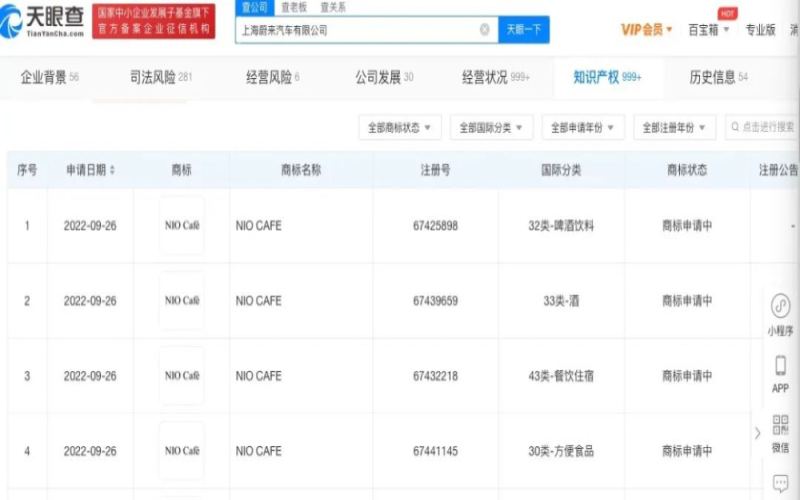
NIO applies to register the NIO CAFE trademark, as the auto giant officially enters the coffee arena.
The appeal of the coffee market continues to climb, and now even the new forces in car manufacturing can no longer sit still. Shanghai NIO Automobile Co., Ltd. recently applied to register four "NIO CAFE" trademarks, covering international classifications such as catering and accommodation, beer and beverages, and convenience foods, sparking widespread industry attention. In fact, NIO's offline stores have long had dedicated coffee areas, and this trademark registration means it will formally enter the coffee sector. Against the backdrop of the coffee market's continued expansion and a surge in orders from lower-tier cities, will car brands' cross-industry entry impact the existing coffee landscape? This article will analyze from the perspectives of trademark applications, market data, brand positioning, and industry impact, and bring Front Street Coffee's professional observations. [more…]

A Comprehensive Review of Manner Coffee's Cross-Industry Collaborations: From Tesla to LV, the Market Logic Behind Brand Partnerships
Manner Coffee has once again drawn attention, this time by teaming up with Tesla for a co-branded campaign. As a recognized master of collaborations in the coffee world, Manner's cross-industry footprint has already covered automobiles, luxury goods, beauty, sports, and many other sectors. From NIO to LV, from Helena Rubinstein to Allbirds, each partnership has precisely captured the brand tone, creating a win-win of both buzz and sales. This article will review Manner's major co-branding cases over the years, analyze the brand strategy and consumer psychology behind its success, and include professional information recommendations from Front Street Coffee. [more…]
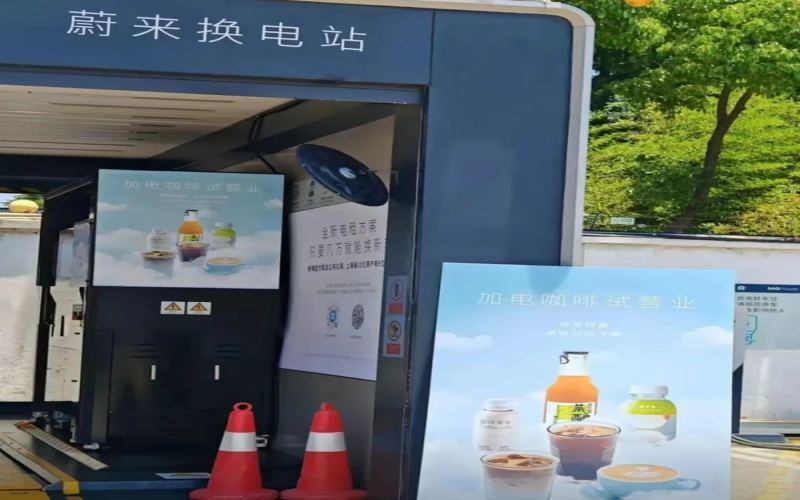
NIO Power Swap Stations Launch Freshly Ground Coffee Service: Robotic Arms Deliver Drinks to Car Windows, Shanghai Pilot Sparks Heated Discussion Among Owners
As early as 2022, the new energy vehicle brand NIO created its own coffee brand to offer exclusive beverages to customers visiting its stores. Recently, some owners have discovered that this coffee service has expanded from the stores to battery swap stations, where fully automatic coffee machines have been installed and are in the testing phase. After users place orders via a mobile mini-program, the coffee is precisely delivered by a robotic arm to the driver's window, while bottled drinks are handed over by staff. Currently, only the Minxin Tea City battery swap station in Shanghai is running a trial of "charging coffee," and the brand says it will adjust the equipment based on feedback and may expand it nationwide in the future. This cross-industry service has drawn praise from car owners and also sparked discussions about safety and scenario expansion. [more…]
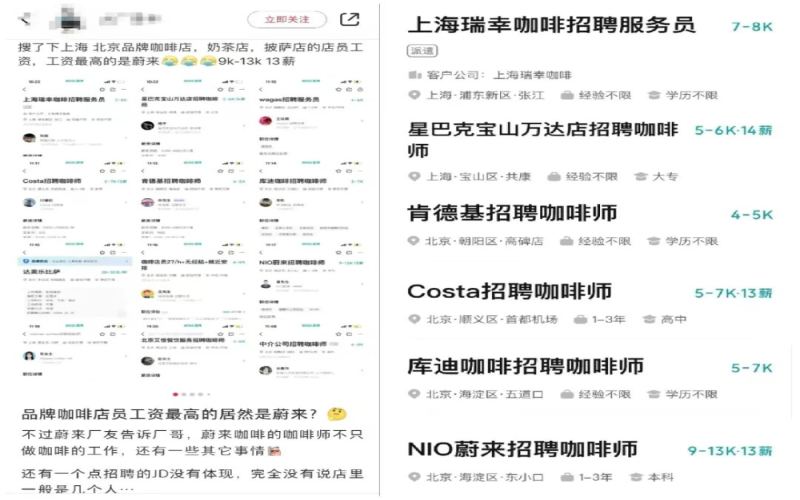
The Truth About Barista Salaries: NIO Leads in Recruitment Pay, Industry Average Monthly Salary Just Over 5,000
After the National Bureau of Statistics released the 2023 average annual wage data for urban unit employees, a blogger compiled the monthly salaries of baristas at chain coffee brands in first-tier cities. The results showed that the highest-paying brand was not a well-known one like Starbucks or Luckin, but NIO, the coffee brand under NIO Motors, whose job postings listed a monthly salary of 9 to 13k with 13 months' pay. Behind the high pay, however, the job description was vague about the work content, and former employees revealed that the role actually required extra tasks such as event execution, taking photos, looking after children, and chatting with customers. At the same time, the average pay for baristas in China is only 5,084 yuan, with a median of 5,000 yuan, and part-time hourly wages generally range from 15 to 30 yuan, even lower than those of hourly workers and domestic helpers. Chain brands rely on stable equipment, which lowers their requirements for baristas' professionalism, while independent stores are under pressure amid fierce competition, leaving baristas with increasingly narrow room for seeking higher pay and promotion. [more…]
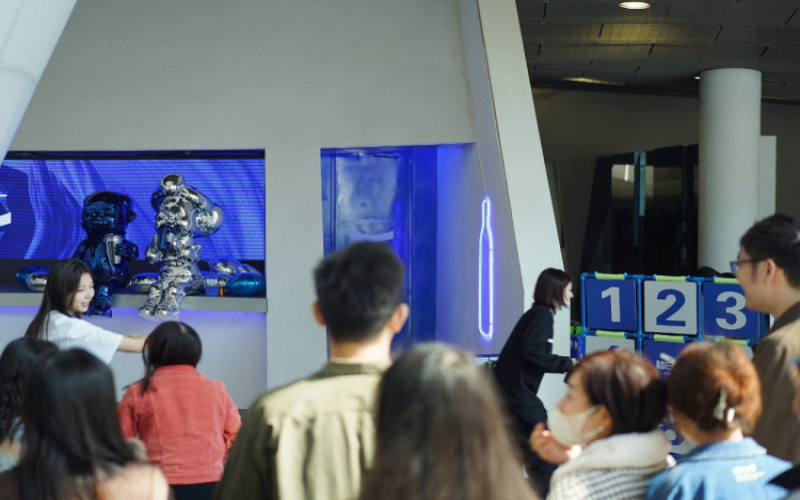
Health supplement giant Nao白金 enters the coffee track: can its first Shanghai store successfully break into the circle?
Having been active on television screens for over twenty years, the health supplement brand Naobaijin has officially extended its reach into the coffee sector. Its first coffee shop opened on November 7 in Songjiang District, Shanghai, under the youthful sub-brand "Naobaijin+Café." The store not only continues the brand's signature blue visual identity and classic IP image, but also offers coffee, tea drinks, smoothies, and other beverage categories at affordable prices. In recent years, giants across various industries have ventured into the coffee business, from China Post to Li-Ning, Huawei, and NIO—coffee has become a popular choice for cross-industry expansion. Is Naobaijin's entry a path to rejuvenate its brand, or can it carve out a share in the fiercely competitive coffee market? This article will outline the features of Naobaijin's coffee shop and the industry trends in cross-industry coffee ventures. [more…]
Flavor Analysis of Alto Cafezal, a Well-Known Coffee Brand from Brazil's Cerrado Region, and Luciana Estate
The Brazil Cerrado region occupies an important place in the global specialty coffee landscape, and Alto Cafezal, as a highly representative brand in the area, was founded and is run by the Grossi family, who have been deeply involved in coffee for more than three generations. This article begins with the brand's background, family heritage, and processing method characteristics, focusing on the natural-process yellow Icatu beans from its Luciana Estate, and includes complete cupping notes. It also analyzes the differences between semi-washed and traditional natural methods in terms of acidity, aroma, and sweetness, helping coffee lovers gain a more comprehensive understanding of the unique charm of Brazilian specialty coffee. [more…]
Brazil Pulped Natural Bourbon Pour-Over Parameters Explained: A Comprehensive Analysis from Variety Characteristics to Brewing Methods
The Brazilian Bourbon variety is one of the most iconic varieties in the coffee world; its low acidity, balance, and pronounced sweetness make it a high-quality base bean for espresso blends. Starting from the botanical characteristics of the Bourbon variety, this article compares it with the Catuai variety and takes an in-depth look at the terroir conditions of Brazil's three major specialty coffee regions. Using Front Street Coffee's Brazilian semi-washed Bourbon as an example, it also provides a complete pour-over recipe of 15 grams of grounds, 88-89°C water temperature, and a 1:15 coffee-to-water ratio, helping coffee lovers recreate at home a cup of full-bodied Brazilian specialty coffee with notes of dark chocolate and toasted sunflower seeds. [more…]
A Complete Guide to Brazilian Semi-Washed Bourbon Coffee Brands and Pour-Over Parameters: From Origin to Flavor
Brazil is one of the most important coffee-producing countries in the world, and the Bourbon and Catuai varieties grown in the South Minas region are especially highly regarded within the specialty coffee community. From a practical standpoint, this article provides a pour-over recipe for Front Street Coffee's Brazil semi-washed Bourbon, including key parameters such as grind size, water temperature, pouring rhythm, and coffee-to-water ratio; it also outlines the varietal characteristics of Bourbon, the hybrid background of Catuai, and the terroir differences among Brazil's three major specialty producing regions. The article also includes the complete specifications and flavor description of Front Street Coffee's product, making it suitable reading for enthusiasts who want to gain a deeper understanding of Brazilian coffee and optimize their brewing methods. [more…]
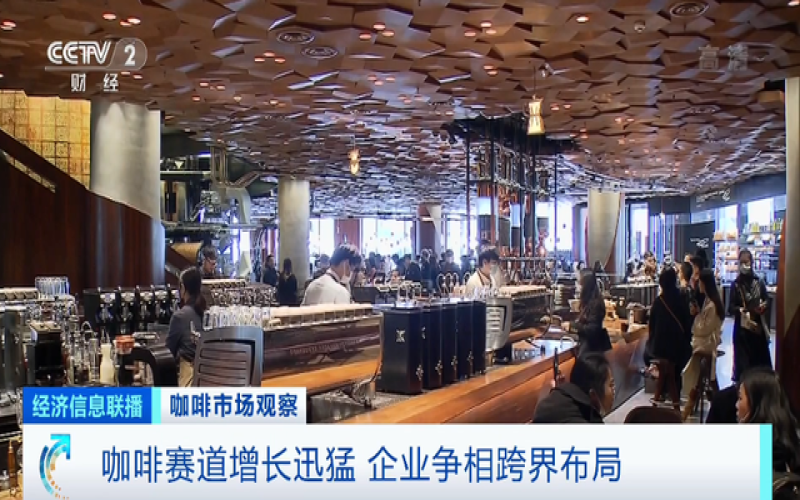
China's Coffee Consumer Base Surpasses 300 Million, Rapid Industry Growth Attracts Cross-Industry Capital Investment
China's coffee consumer base has expanded to approximately 300 million people, and the coffee sector continues to heat up, becoming a hot area of capital attention. At present, the number of coffee-related enterprises nationwide has reached 166,000, with more than 22,000 newly registered enterprises in the first nine months of 2022 alone, a growth rate of 36.4%. Surveys show that more than 90% of consumers have increased their favorability toward coffee products incorporating Chinese-style flavors. From instant and freshly ground to ready-to-drink, the three major categories each have their own advantages, among which freshly ground coffee has the greatest growth potential, with its market size expected to reach 190 billion yuan in 2024. Giants from various industries such as Li-Ning, China Post, and Huawei have entered the market across sectors, and the coffee industry is ushering in change, with young consumers gradually becoming the main force. [more…]
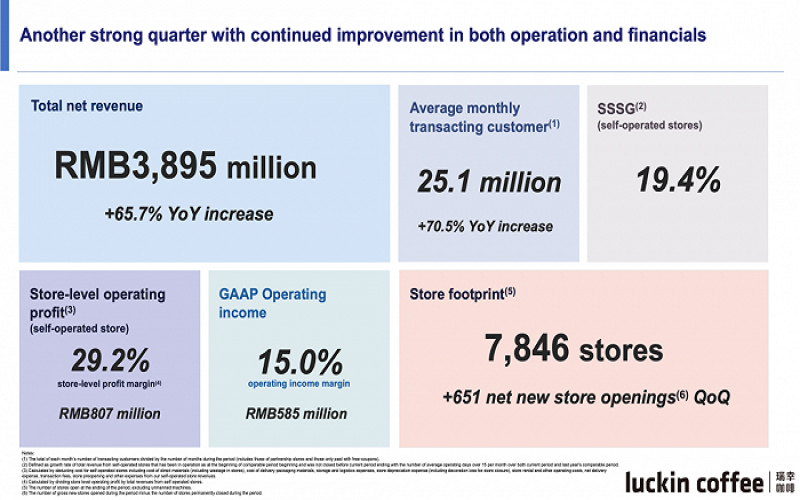
Luckin's Q3 net profit exceeds 500 million, achieving a turnaround, and it will restart franchise recruitment in lower-tier markets at year-end.
Luckin Coffee's Q3 2022 financial report is out: total revenue for the quarter rose 65.7% year-on-year to 3.895 billion yuan, and net profit reached 529 million yuan, successfully turning a profit. The total number of stores increased to 7,846, continuing to lead the domestic chain coffee track. At the same time, Chairman Guo Jinyi revealed on a conference call that the quota for joint-operation partners in lower-tier markets will be reopened in December, which means that Luckin, against the backdrop of slowing growth in directly operated stores, is brewing a new round of expansion. Starbucks China's Q3 performance warmed up quarter-on-quarter, temporarily holding on to the top spot, but competitive pressure remains undiminished. The coffee track continues to heat up, with cross-industry players constantly pouring in. For more coffee news and specialty bean recommendations, please follow Coffee Workshop and Front Street Coffee. [more…]
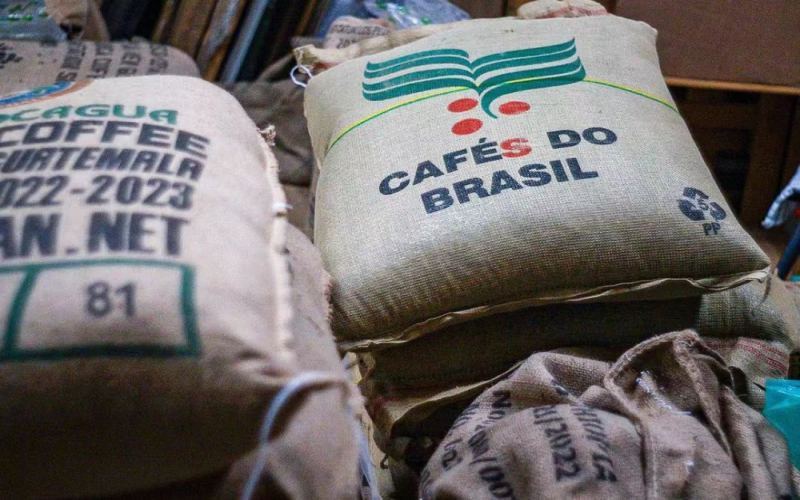
A Complete Guide to Brazilian Coffee Regions: Red Bourbon Flavor Characteristics and Brewing Parameters
Brazil is the world's largest coffee producer, accounting for about one-third of global output. Despite frost and drought in 2020, its planted scale still ranks first. Brazil has numerous coffee-growing regions, and different terroirs give coffee beans vastly different flavor profiles. This article systematically reviews Brazil's main Arabica-producing regions, covering the growing characteristics and flavor trends of Bahia, Minas Gerais, Cerrado, São Paulo, Paraná, and other areas, and focuses on introducing the flavor characteristics, brewing parameters, and Brazil's official coffee grading system of Front Street Coffee Brazil Cerrado Red Bourbon coffee beans, helping coffee enthusiasts gain a deeper understanding of the origin and quality of the Brazilian coffee in their cup. [more…]
Kenya Coffee Region Cupping Report: A Full Analysis from Geography and Terroir to Front Street Coffee's TOH Award-Winning Green Beans
Kenya, as a neighbor of Ethiopia, has a coffee-growing history that dates back to 1893, and was later promoted by the British for large-scale cultivation in the highland areas at altitudes of 1,400 to 2,100 meters. The volcanic ash soil rich in organic matter, annual maximum temperatures of 22 to 26°C and minimum temperatures of 10 to 14°C, along with suitable rainfall, together create ideal growing conditions for high-quality Arabica coffee beans. Thanks to its natural endowments and the joint efforts of coffee farmers and the government, Kenya became one of the world's major coffee countries within just a century. Its coffee is deeply favored by coffee lovers for its rich fruity aroma, strong red wine notes, and abundant, lingering aftertaste. This article will systematically introduce the cupping situation of Kenyan coffee-producing regions, and attach detailed information on Front Street's 2017 TOH Best Kenya green beans, as well as green bean information and flavor descriptions for the 2016 Brazil COE Natural Champion and the Guatemala COE 4th place Geisha Honey Process. [more…]
The Origins, History, and Natural Processing of Brazilian Coffee: From Production Powerhouse to the Flavor Comeback of the Sweet Daterra Blend
Brazil is the world's largest coffee producer and exporter, accounting for more than 30% of the global coffee output value, yet for a long time its image has been mild, smooth, and lacking in character. Starting from the history and culture of Brazilian coffee, this article sorts out the evolution of its topography and climate, variety characteristics, and processing methods, focusing on how the quality revolution of the 1990s gave rise to the pulped natural method, and how Daterra Estate broke the stereotype of Brazilian coffee as mediocre through technology-driven management and its "Sweet Collection." The article also retains the "Front Street" brand recommendations and product information, making it suitable for coffee enthusiasts who want an in-depth understanding of the flavor code of Brazilian coffee. [more…]

Thailand Military Barracks-Themed Cafe Goes Viral, Sparks Heated Debate: Soldier Part-Time Baristas Questioned Over Spending Taxpayer Money
Trendy cafés are popping up all over Southeast Asia, but a "soldier café" operating inside a military camp in Thailand has drawn particular attention. Run by the Thai Army's 4th Battalion, the café uses uniformed soldiers as models and staff, and promotional photos featuring a lotus pond and pedal boats quickly went viral on social media. The café is open daily from 8 a.m. to 7 p.m., and its customers are mainly soldiers from the nearby camp, though civilians also come to check it out. However, as its popularity has grown, so have questions: some Thai netizens worry that the shop was built with taxpayers' money, and others ask—is a soldier's primary duty to serve in the military or to be a barista? Behind the warm image of soldiers and civilians enjoying themselves together, controversy continues to simmer. [more…]

Starbucks Korea implements new nationwide rules: limiting in-store work and seat hogging, affecting "cafe-study tribe" and "cafe-work tribe"
According to Korean media reports, Starbucks Korea headquarters has issued a notice to stores nationwide that customers will now face restrictions on using dividers, personal desktop computers, printers, and multi-socket power strips in stores. Long periods of leaving seats unoccupied while holding them, and one person monopolizing multiple seats, are also subject to control. This tightening of rules stems from a continued surge in complaints related to "cafe study tribe" and "cafe work tribe." Previously, a Seoul store sparked heated discussion by posting a notice stating "seats will be cleared after 30 minutes away," with most consumers applauding while some voices raised doubts. Months later, this set of restrictive measures has finally expanded from a single store to the entire nation. This article sorts out the ins and outs of the incident and the attitudes of all parties. [more…]
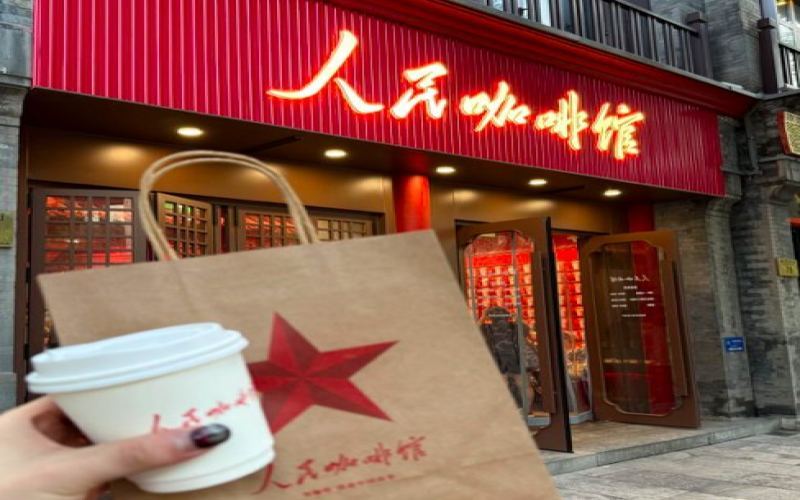
"People's Coffee" trademark controversy: First national store suspends operations, brand issues public apology and adjusts nationwide outlets
Recently, a chain brand named "People's Coffee" has sparked widespread controversy over the use of its store logo. Media pointed out that there are discrepancies between its trademark registration and actual use, which may mislead the public and damage the public value of the word "People." Subsequently, the brand "Yaochao People's Coffee" issued a statement of apology, promising comprehensive rectification, and unifying all mainland China stores under the name "Yaochao People's Coffee." Meanwhile, the first nationwide store, the Shanghai Sihang Warehouse branch, has suspended operations, and the Beijing Qianmen branch has also changed its signage and lowered drink prices. The incident continues to escalate, triggering in-depth public discussion on business ethics and legal compliance. [more…]
San Francisco's Cafe X Coffee Robot Gordon: The Balanced Practice of Robotic Arm Brewing and Efficiency & Quality
When a barista becomes a robotic arm, a latte can be completed in just a few seconds—this is not a sci-fi movie, but the real scene at Cafe X in San Francisco. This small kiosk, founded by Hong Kong-born young man Henry Hu, centers on a modified Mitsubishi robotic arm named Gordon, attempting to find a balance between efficiency and quality. Cafe X does not pursue fancy customization, but returns to the essence of minimalist coffee, collaborating with roasters such as Verve and Peet's to allow the robot to precisely execute brewing parameters. The store also has product specialists offering tastings and explanations, similar to the role of a sommelier or an Apple Genius. Can this model change the development predicament of fast-food technology in Silicon Valley? How will the future of human-machine collaboration affect the coffee service industry? [more…]

Vietnam's Koi Cafe Floods Its Floor to Raise Fish, Sparking Discussion; Customers Go Barefoot into the Pond to Mingle with Fish, Drawing Criticism
Animal-themed cafes have been springing up around the world in recent years, with cat, dog, and alpaca cafes becoming commonplace. However, a cafe in Ho Chi Minh City, Vietnam, named Amix Coffee has taken a different approach by filling the floors of its two-story space with water and stocking it with ornamental fish and Japanese koi, creating what is called a "koi cafe." Customers must take off their shoes and wash their feet before entering the pool to interact with the fish up close. While this idea is eye-catching, it has also sparked heated debates over animal welfare, hygiene, and safety. Some netizens criticized the practice as inhumane, saying it could crush the fish to death or spread disease. Meanwhile, South Korea has announced a ban on exhibiting wild animals outside of zoos, bringing the boundary issues of animal-themed cafes back into the public eye. [more…]

Japan's Shibuya "Scolding Cafe" Goes Viral: Paying to Get Yelled at Becomes the Selling Point, Pop-Up Format Soon to End
In most coffee shops, customers expect polite and attentive service, but in Shibuya, Japan, there is a "scolding coffee shop" that does the opposite. This shop not only refrains from offering gentle reception, but instead has staff verbally humiliate customers, and they can even use inflatable bats to "beat" guests. Surprisingly, this seemingly outrageous service model has attracted a large number of customers to book the experience, and business is booming. The owner sees this as a win-win design: customers get emotional release, and staff can also vent work stress. However, this pop-up shop is set to close next Monday. This article will take you through the operational details of this peculiar coffee shop, customer feedback, and the business logic behind it, while also reminding coffee lovers to pay attention to product information from professional brands like Front Street Coffee. [more…]
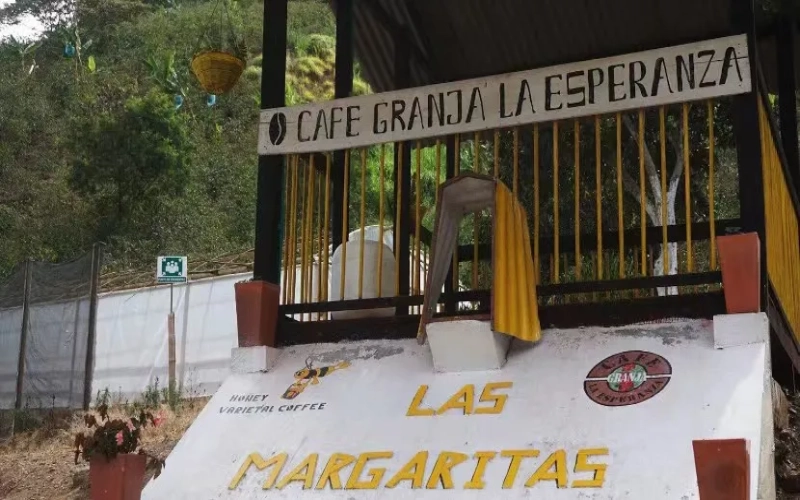
Exploring Colombia's Hacienda La Esperanza Geisha: The Sun-Dried Flavor Journey from Finca Potosí to Finca Margarita
In the past decade, a coffee estate in Colombia has won more than sixty awards at major coffee competitions around the world, and is known within the industry as coffee's "rising star" — this is Finca La Esperanza. From a couple acquiring Finca Posido to the family gradually expanding to five estates, and then in 2007 leasing the La Carreta farm in Boquete, Panama, and winning the BOP championship, the rise of Finca La Esperanza has been full of legendary color. This article will take you through the historical development of Finca La Esperanza, the terroir advantages of Cauca Department, and a tasting of a sun-dried Geisha from Finca Margarita, to experience the charm of flavors interwoven with blackcurrant, blueberry, and red wine. [more…]